Saturday, January 31, 2015

New Look, New Wardrobe, I'm..."Rockamommy"!


      Inspired by my Hubby's new "look" and wardrobe overhaul, I decided it was time for a change.  Finding something to wear had become a rather depressing task lately.  My clothes were quite old and tired looking.  I had clothes in my closet that I've been wearing since before Angel (my 8-year-old) was born!  There weren't enough pieces in my wardrobe that I liked to even consider updating it, so I made the decision to go for a full overhaul.  I went through my drawers and closet and made a pile of everything: clothes, shoes, purses, undergarments, all of it was going to be donated to charity and out of my life!  The only items I kept were my lingerie, gym clothes, swimsuit, a dress, and a few pairs of shoes to match my new look (we're getting to that).  I knew I wanted a look that I felt inspired by and one that reflected my personality and sense of style.  I thought about the favorite pieces of clothing I had and then it just clicked.  I'm a girlie-girl with a touch of tomboy. I love makeup and pink and heels and curls - feminine with a little edge. My new look is....

Rockabilly!

     Since I'm a budget-conscious woman, thrift stores are my boutiques of choice.  I went on a shopping spree of sorts and replaced my wardrobe with fabulous, second-hand items for less than one of the fantastic blazers I bought would cost brand-new!  My closet is now full of blazers, dresses, jeans, skirts, tops, sweaters, and shoes. It's amazing and is quite mood-elevating! 


      Rockabilly is mostly about separates and pieces, so most of the items are interchangeable and can be dressed "up" or "down".  Black, blue, white, and red are the main colors with a few splashes of 

other bright colors here and there.  Feminine ruffles and curves are accentuated by the sharp angles and edges of the lines and patterns in the pieces.  Here's an example of a basic, casual look (skinny jeans, printed T, and animal print flats): 


      Here's another casual look I wore to take the kids to their various activities on Wednesday (a striped long-sleeve T, skinny jeans, and canvas flats paired with a casual blazer):


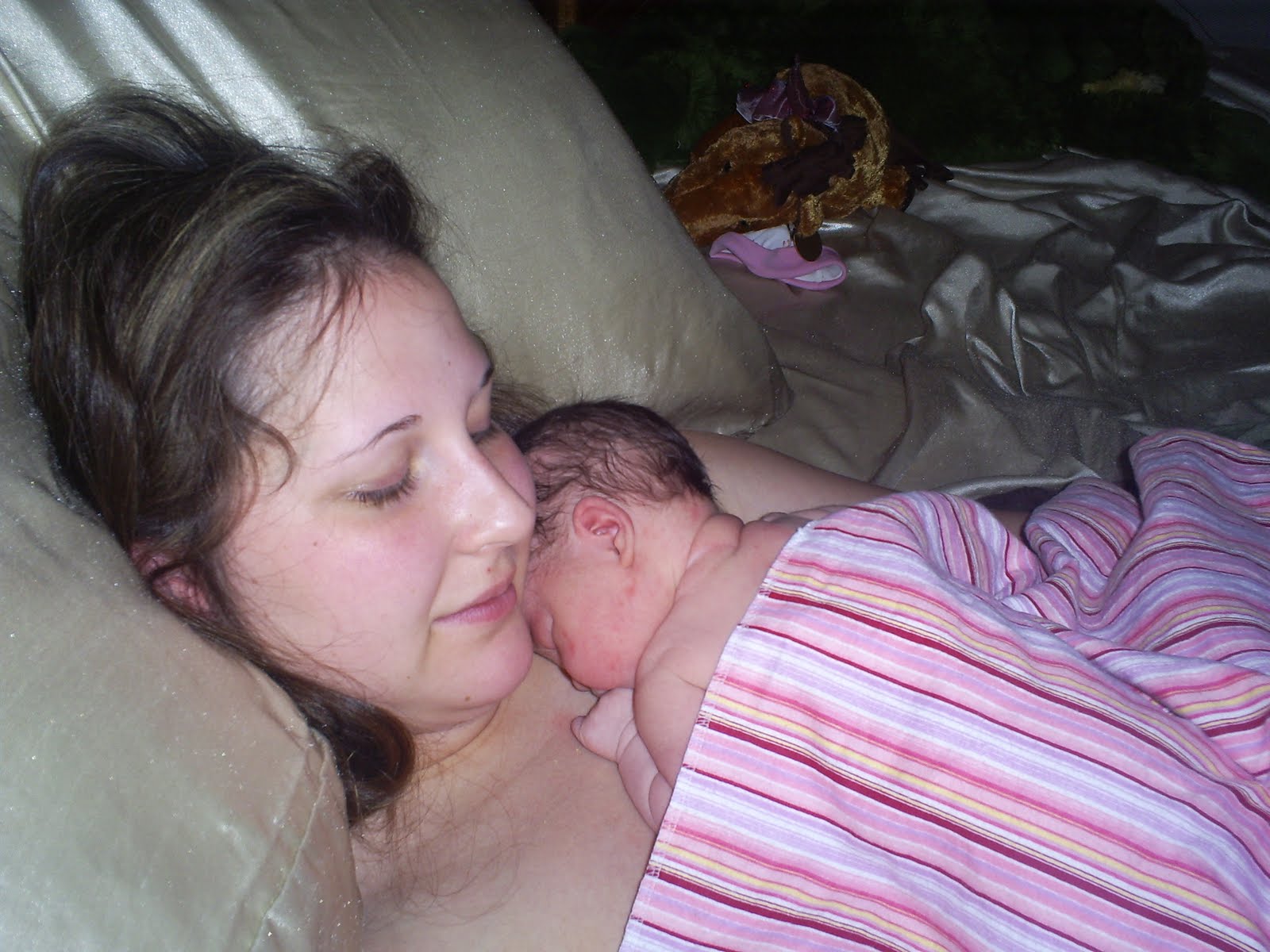
      I'm very excited about my new look and wardrobe! I feel like a new woman! I'm going to really enjoy creating new looks with all my new pieces.  It's so much fun! I'll do more posts on more outfits,  rockabilly hair, and makeup. So, stay tuned! Until then, here's a pic of this Rockamommy with my Rockababy! 


Friday, January 16, 2015

My Migraine Life


    I've had migraines occasionally for years.  They are a genetic disorder and, since they run in my family, it seems I was destined to inherit them.  As last summer was ending, I noticed my migraines were occurring more often until an entire week went by with no relief from the pain.  I was very worried and called both doctors immediately.  My regular MD (Dr. M) got me in right away and wanted to schedule an MRA and an MRI to rule out tumors and aneurysms, meanwhile, he had a daily medication he wanted me to try.  My new doctor (Dr. P) consulted over the phone and agreed that the MRI/MRA route was a good one, but while she was concerned with the constant migraine (by know it was almost two weeks), she thought maybe it was still only caused by life stress/lack of sleep and if maybe I could do some self-care, massage, get Nathan to watch the baby for a night that the pain would stop.
    Fast forward a couple months...  My MRA and MRI results both came back clean.  I didn't have any tumors or aneurysms.  A rational person would take this as good news but, I'd be lying if I didn't admit that I was actually disappointed when I received the news because I just wanted answers as to why I was in constant, throbbing pain.  I'm trying to be optimistic but realistic. The diagnosis isn't great.  At some point, for whatever reason, the occasional migraines I used to get "transformed" into "transformed migraines" or "chronic daily migraines".  They don't respond to traditional migraine treatments, they act like a chronic pain condition, not like regular migraines.  They can also cause permanent brain scarring (doesn't that sound pleasant?).
      They aren't easily treated and a lot of it is trial and error.  Since the first medication did absolutely nothing for me, Dr. M. suggested a new medication.  This one is actually an anti-seizure medication.  I had to work up to the maximum dosage slowly over time to lessen the chance of side effects and then he said it could take 4-6 weeks at the maximum dose to see if it would work. Well, it's been almost a month at the maximum dose and I've seen no improvement in my pain.
      I saw Dr. P last week.  Since she is more of a holistic doctor, she's pretty convinced it's directly connected to my autoimmune disorder.  Her approach is to focus on the autoimmune disorder and the
migraine will fix itself.  She also thinks there could be a third connection with a TMJ issue so that is an avenue she wants me to explore.  She seems very confident and optimistic and, because if this, I definitely want to do as she says. However, I can't afford to get my hopes up.
      Most of the time, my pain is what I call a "background headache".  It's painful enough to notice it's there, but not painful enough to stop me in my tacks.  That pain never goes away, unless I'm asleep.  Other times, I'll get a full-blown, head splitting migraine.  Those of you who have never experienced that pain, I can't describe it to you, just thank God you've never had to endure it.  I also
get sensitivity to light and sound and nausea.  When the pain gets really bad, or it increases too fast for my mind to catch up to it, I'll throw up.
      I've been keeping a migraine journal.  I write down basics of what I did that day, anything new or different, how I feel, and my pain level on a scale of 1-10.  Certain things definitely make the pain worse.  I can't increase my heart rate above a resting rate.  That means no cardio workouts or even simple things like sweeping my floor too fast.  If I do, it instantly makes my migraine worse.  I can't get too hot, so no hot baths or showers.  Obviously bright lights and loud noises are a given, although
that's hard to avoid with small children!
      Lately, I've had 2 full-on migraine attacks a week.  Those days are the worst.  Especially when Nathan is at work, life must go on and I still have to make meals, homeschool my children, soothe a screaming baby, etc. all while in excruciating pain.  It gets me really suicidal...I just want the pain to stop, I don't think very rationally or long term, everything is very "in the moment".  I have tools and rituals, things that help get me through when it's really bad (I'll cover those in another post) but it's very hard. Someday it feels pretty much impossible.  I have days where it's all I can do just to lie in bed and keep breathing.
      It's been very difficult.  Dealing with daily, chronic pain is definitely not something I ever pictured myself dealing with, especially at my age! I feel sorry for my husband, because he's definitely had to pick up the slack.  I am very grateful for him and he has done it all with such grace.  I feel for my children as well.  I wonder how much they notice, how much they pick up on.  I don't want their childhood memories to be filled with their mother being sick all the time and never being able to do anything. That makes me sad...
      I'm not giving up, not yet.  I have a plan with Dr. P and I'm supposed to meet with Dr. M next week and discuss our next step.  I also have an appointment with the TMJ treatment center next week for a consultation.  So, we'll see how it goes.  If anything, this chronic pain has brought out a patient, enduring side of me I never knew I had!


Wednesday, January 14, 2015

Back to Blogging: Updates and Changes

      I realize it's been years since I last published a blog post! I guess my life got more busy and there were more demands on my time and energy and this got pushed out.  It's sad, really, because a lot has changed since my last blog post.
      I'm still homeschooling my children.  I have one in third grade, one in first grade, and one in pre-kindergarten! I am starting a local homeschool support group, so I plan on doing lots of blog posts on home education. Stay tuned!
      I had another baby! Baby Ocean Christian was born at home, unassisted, in April of last year.  He's already crawling and cruising and keeping us all on our toes! He's an incredible, smart, sweet, happy baby who has brought so much joy to our lives already.  His birth, while beautiful and amazing, was also difficult and complicated and definitely deserves its own blog post.  I'll type up his birth story when I feel ready.  Every time I start, it just brings back a flood of emotions...
      I am enrolled in midwifery school and my plan is to graduate next year! I'm also attending home births as a student midwife, although we are taking a break starting in April for at least a year.  We've been so busy for so long and it's hard on us and our families to be on-call all the time.  I'm going to enjoy the family time and use the time to focus on my studies as well.
      Another big thing that's changed lately is my health.  Last summer, I was starting to feel so incredibly fatigued, it didn't matter how much sleep I got, I was exhausted all the time.  I was eating well and exercising regularly, but I hadn't lost a pound since Ocean was born.  I was becoming increasingly depressed and my anxiety and panic disorder symptoms were becoming more frequent.  I felt like I was falling apart.  I started seeing a new doctor who diagnosed me with Hashimotos Thyroiditis.  It is an auto-immune disease where the body attacks the thyroid, causing a whole range of symptoms.  My new doctor is unique in that she incorporates Western and Eastern medicine practices to find the best treatments for her patients. She's very modern and current with her research and very successful with her patients and even has a high success rate at reversing Hashimotos!
      Another health issue I've developed is what's called "transformed migraine" or "chronic daily
migraine".  Yes, you read that right.  I basically have had a migraine every day, all day, for almost five months.  It took a while to get a diagnosis.  My other doctor wanted to rule out things like brain tumors and aneurysms.  So I went in for an MRI and an MRA and, when those came back clean, this was basically the diagnosis.
      I will be doing more posts on what it's like living with chronic pain, how I've been treating my auto-immune disorder, as well as updates on our crazy family! Thanks for following. Blessings.


Friday, October 8, 2010

Postpartum PTSD: Birth Trauma in the U.S.


The most troubling aspect of the current state of affairs surrounding birth in the U.S. is one that hits very close to home: postpartum post-traumatic stress disorder (PTSD). This disorder is very personal because I still suffer from PTSD as a result of my first child’s birth more than four years ago. There has been an increase of interest in the disorder from the media as more and more women are starting to come out of the woodwork and describe their birth experiences as extreme trauma or even “rape”. These descriptions might raise eyebrows when people naturally expect women to endure childbirth in order to get a healthy baby. The image of a woman screaming in terror as the heroic doctor delivers the baby is an all-to-common scene in movies and TV shows. But is birth supposed to be traumatizing? Does the birth experience really matter or are women who describe being birth-raped overreacting?
Most people are familiar with postpartum depression, and that is not surprising considering the troubling statistics that one in ten women will be diagnosed with this debilitating disorder. However, the diagnosis of postpartum PTSD is a relatively new one. PTSD is usually associated with soldiers returning from war or survivors of rape or natural disasters. Symptoms of PTSD include recurrent distressing memories of the event, nightmares, flashbacks, panic and anxiety. People who suffer from PTSD usually go out of their way to avoid places or objects that remind them of the traumatic event, such as driving on the other side of town to avoid the hospital where the traumatic birth took place.
A recent U.S. survey showed that, of more than 900 mothers, 9% had a positive screening for postpartum PTSD. Also, 18% of the women surveyed had some symptoms of the disorder. Earlier studies which had been done outside of the U.S. had put the rates of postpartum PTSD somewhere in the range of 1.5% and 5.9%. These studies would suggest that the rates of postpartum PTSD in the U.S. are disturbingly high. It has been suggested that the rise in these rates can be attributed to the increase in interventions in birth as well as cesarean sections and feelings of helplessness in threatening situations.
Many of the women who suffer from postpartum PTSD have horror stories for birth stories. They describe feeling betrayed by the same attendants that they trusted would provide them with the birth experience that they had planned for. These women had procedures done against their will or without their consent. They felt threatened or coerced by their attendants into having inductions, c-sections, or instrumental deliveries which were not medically indicated. They had fingers, hands, scissors, and scalpels in them after they had protested against such actions. A chilling example is the case of Catherine Skol whose horrific birth experience included her husband holding her down while her doctor repaired a laceration without anesthetic.
So are these women exaggerating their experiences? Are these women who feel violated, birth-raped, or whose care providers put them or their babies lives in jeopardy overreacting? Is birth trauma a relative term and a matter of how the birth is processed? As someone who has experienced these feelings, I would say absolutely not. Birth is a very raw, primal, intimate process. When the people you entrust to share in this process with you breech this trust, trauma occurs.
Postpartum PTSD changes your life and how you view your birth and baby forever. How can it be enough to have a healthy baby when the mother is in a state of trauma from the same experience which should have been the most empowering experience of her life? These mothers feel shattered and shaken. They have less confidence in their abilities as mothers because their birth experiences were stolen from them. It can affect their ability to breastfeed and bond with their baby as well as their relationships with their partners, family, and fiends.
Is it just a pie-in-the-sky fantasy to believe that birth can be beautiful and not traumatizing in the least? We are born trusting birth and accepting that it is normal. If you show a video to a 
young child of a smiling woman giving birth their response will be something nonchalant like, “Oh! Cute baby!” Children don't expect birth to be traumatic, and neither should we. If over 
90% of women can give birth safely without interventions, then we must not accept the current rise of inductions, cesareans, and other interventions in this country. If we want to raise a generation of healthy children, we must protect and empower their mothers. We have to stop accepting birth trauma as the norm and expect birth ecstasy instead. There is no excuse for the rising rates of postpartum mood disorders in this country. These rates are a disgrace and should make people outraged and demand a change.
So what can be done to avoid PTSD and other tragic postpartum disorders? It would seem that the common denominator among women who suffer from PTSD would describe feelings of helplessness during their birth experiences. People who provide care to birthing women need to understand that the birth belongs to the mother, not them and they must never take that power from the mother. Birthing women should have the final say in what happens to them in labor and postpartum. Women need to birth in ways that minimize interventions and surround themselves with positive people who trust birth and believe in their abilities. Women need to be re-taught to trust in birth and in their bodies and that to believe that birth is inherently dangerous is to believe a lie. Informed, empowered women who are supported in their choices have the safest and healthiest births, physically, emotionally, and mentally. They enter motherhood feeling on top of the world and ready to take on the challenges of raising a new life. I don't think that's too much to ask.

Sources:

Salon

Postpartum Progress

Psych Central

The Wall Street Journal

The Midwife Next Door

ICAN

The Unnecesarean

Tuesday, July 13, 2010

Why it is So Hard to Counter Birth Fright

Being able to counter birth fright is such a challenge because it is everywhere. Movies and TV shows often associate disastrous outcomes with pregnancy and birth. The media is constantly running stories that show home births or any births outside of the “norm” in a bad light. Interviews of pregnant celebrities always focus on the “horrible pain” of childbirth. Even most people you talk to about pregnancy and birth have opinions that slant toward those events being among the most dangerous and painful one could ever encounter in life. But, in reality, birth is inherently safe and can be the most empowering experience of the mother's life. So, how can someone push back the wave of birth fright with the truth?
In the world of TV and movies, pregnant characters are almost always shown giving birth while screaming and dripping with sweat. Although there might not be complications, per se, the emphasis is that birth is hideously painful. Even a seemingly normal birth will sometimes take a turn for the worse in an instant with only seconds between life and death for the mother and baby until the hero doctor swoops in and saves the helpless pair. Almost worse than their portrayal of birth is their portrayal of doctors being able to perform god-like feats of life-saving proportions. The message is sent, “Thank God that woman was in the hospital so that the doctors could use their life saving machines and save them both...”
The media is not any better. They don't hesitate to run every story about home births gone “bad” or to make a huge emphasis on the danger of a woman giving birth in a car, in a shopping mall, or accidentally on her kitchen floor. And there always has to be someone to save the day, be it a policeman, plumber, or the person on the dispatch who talked the frantic husband through the “delivery”. If a home birth should end in tragedy, the story is run on the slant that it was because of the home birth that the baby or mother died. However, if the story is about a laboring mother who developed life-threatening complications from procedures at a hospital, the doctors are still seen as the heroes and the near-tragedy is shown as a “Christmas Miracle”.
People that you talk to about birth all have their opinions, most based on what they have seen, read, or heard, and not necessarily from what they've personally experienced. They will tell you about their sister's cousin's ex-girlfriend who would have died if she hadn't have had that cesarean or about their brother-in-law's mother-in-law who lost a baby because she had a home birth with one of those “midwives”. People believe what they understand and it doesn't make sense to them that doctors, the media, or their favorite character on TV would lie to them. They buy into the lies that the hospital is the safest place for every woman to have a baby, even though they are more likely to die in a wreck on the way there than in childbirth.
Birth fright is so rampant, the thought of trying to counter it can be overwhelming. But when people are armed with the truth, it can be amazing to see fear and lies melt away. The truth is that birth doesn't have to be horrendously painful. Women have been giving birth since humanity began and I haven't heard a story of a woman dying from the pain. I have, on the other hand, heard stories of women having orgasms during childbirth! And I have also heard stories of women dying from what they received for pain relief. It is also the truth that birth is safe and births have better outcomes when they are left alone, as nature intended. People are born trusting birth and those of us who still believe in its inherent safety and stand in awe of its ability to transform a woman into a mother must never stop speaking these truths.

Monday, July 12, 2010

Dispelling Birth Fear


People in our culture have been programmed to fear birth. They are taught to believe that birth is inherently dangerous and must be left in the hands of the “experts”. In order to dispel these myths, they must be shown how safe birth is when it is left alone. They must hear, read, and see the truth so that they can learn to trust birth again. Providing reliable information about normal birth is a good way to take down the curtains of lies and expose the truth.
It is imperative for people to hear positive stories about birth. It seems as if, as soon as a woman becomes pregnant, everyone, including strangers, feels the need to share birth horror stories with her. Women don't need to hear those; they need to hear good stories. They need to hear the story about their neighbor who had the home water birth in her jacuzzi tub. Or about the woman at the deli counter who gave birth, with the presence of a midwife, next to the tree on Christmas morning. People who know these empowering, uplifting stories need to speak up and tell them. No one can tell a positive birth story too many times and hearing these stories can be so encouraging. They should also be warned away from childbirth education classes that teach women how to “deal” with birth in a hospital. Instead, they need to hear that they instinctively know how to birth their baby with or without whomever they choose to attend them. Attending local birth story circles at free standing birth centers or midwifery offices is a good way to hear these positive stories.
Women also need to read good material. They shouldn't read books about how to “survive” pregnancy and birth, but rather, how to embrace and be transformed by these events. Books, stories, articles, and websites about normal birth need to be recommended and shared. We've all heard that information is power and it's the truth. Women need to be fully and completely informed about their ability to give birth without any interventions. They need to read material that reminds them of what their bodies were made for and that they and their baby form a very successful team. Sharing websites, blogging, publishing articles in the local paper, or making brochures with reliable information are good ways to share the truth about birth with people.
Being able to visualize what normal birth looks like is also a key factor in dispelling birth fear. Watching positive birth videos and documentaries that depict birth in its unaltered, untainted glory can be very affirming. Women have so many visuals from movies, television shows, and other media that show birth as being a horrifying, dangerous experience. Very few women have seen what a birth looks like when it is left alone. Thanks to video-sharing websites, there are a lot of beautiful births too be seen if someone takes the time to search them out. Making a play-list or posting them on social networking sites or blogs is a great way remind people of birth truth. Someone could also host a birth video movie night (complete with popcorn) and share some inspiration.
Getting information about birth truth is crucial to dispelling the fears surrounding our society's view of birth. Making positive birth stories the norm and sharing videos of normal birth will help restore confidence in birth. Inundating the public with important, reliable information will ensure that pregnant mothers will make decisions about their births based on facts and not fiction. Social networking sites and blogs are making it easier than ever to share birth truth with people from all over the globe. Lies cannot stand up to the truths about birth and when a birthing woman is armed with birth truth, she is unstoppable.

Friday, July 9, 2010

Remembering...

There were light feet
Curious uncertainty
Cautious what if
Maybe, maybe not
What if I am?
There's your answer
Crimson Messenger
Sickening pain
Cold sheets, lights
You were, but you're not
We're sorry
Crackers, pills
On your way
Long drive home
Tears fall in silence
Guess we wanted
after all
Rocks hit water
Screaming, anger
Never the same again
Doesn't make sense.

More expectation
Just know this time
A welcome sickness
Full feeling
As soon as it was
it's gone
Familiar pain
Curled on couch
Not much said
What's to say?
Still doesn't make sense.

Total surprise
Jumping for joy
Skipping on the beach
More light feet
Time passes
Full, round belly
Hopes are high
Dressing toy lambs
in ribbons
It's a Sunday
Crimson Messenger
Hit the floor
Can't get up
No one to catch me
He's here and
he just knows
Cold sheets
No heartbeat
We're sorry
We don't know why
Just bad luck
Bottles of pills
On your way
Long drive home
Feeling lost
Wake me up
from this nightmare
Perfect devastation
Waves of pain
Crash over me
Labor with no reward
Emptiness

They are loved
and remembered
Always
But it will never
make sense.

In memory of my lost little ones
October 22, 2005
April 19, 2007
July 8, 2007

Sunday, June 13, 2010

What I Believe About Unassisted Birth

For some birthing women, having an attendant at their birth is a comfort to them and helps them feel empowered. While others may feel that having an attendant makes them nervous and uneasy. For these women, having an unassisted birth would be a safer choice.
In order to let natural birth unfold on its own, the mother must be completely surrendered to the process. Some women feel that having a birth attendant helps take away the distraction of being aware of potential anomalies during the birth process so that they can be more focused and centered on the task at hand. For them, an attendant that they trust is an asset to normal birth and not a liability.
Other birthing women believe that having anyone attend them would interfere with their birth process. They might feel nervous about the attendant making suggestions which they might not agree with but wouldn't have the presence of mind to ignore in the moment. Or they might feel that they are being judged on their performance and not able to fully let go and do what feels comfortable for them. There are many other reasons why some birthing women are not comfortable having a birth attendant other than their family or friends and some would even feel safest birthing alone.
The process of normal birth is dependent on the mother feeling safe and supported. Therefore, she must do what she feels most comfortable with. Having an attendant is not a requirement of having an normal birth.
Birth belongs to the mother and her baby. No one should ever take the power away from the mother and tell her where or how to birth her baby. The process of birth is a very sacred event and the decisions of where, how, and with whom to share that event are the mother's to make.

What I Believe About Home Birth

Sunday, June 6, 2010

AFP (Alphafetoprotein) Test

This is another brochure I made for my doula course. Again, if you would like copies, let me know!

Q. What is an Alphafetoprotein Test?

A. An Alphafetoprotein Test (AFP) is a blood test taken to screen for Neural Tube Defects such as spina bifida, anenecephaly etc. as well as, more recently, to predict the risk of Downs Syndrome.


Q. How is the test preformed?
A. A sample of blood is drawn from the mother for testing. This can be done in the caregiver’s office or at a separate laboratory.

Q. When is the test done?
A. The test has the greatest accuracy between 15 and 17 weeks of gestation. Accurate dating of the pregnancy as well as knowing the number of babies in utero is very important to the accuracy of the test results.

Q. What at the risks of the AFP Test?
A. Other than mild discomfort at the sight of the blood draw, there is no risk from the test itself. However, depending on the results of the test, the AFP test may lead to further tests which do carry risks. Further tests that may be recommended are an Amniocentesis and/or Level II Ultrasound.

Q. Who is the test recommended for?
A. All pregnant women are offered the test, however, most practitioners especially recommend it for women who have a family history of birth defects, are 35 years or older, have used possible harmful drugs during pregnancy, or who have diabetes.

Q. What do the AFP results mean?
A. It is very important to note that the AFP test is a screening test and not a diagnostic test in any way. This means that it is used to note if a woman is at risk of carrying a baby with a potential disorder. It is not used to diagnose any disorder. If the test produces abnormal results, further testing must be done in order to reach a diagnosis.

Q. How accurate is the AFP Test?
A. The benefit of preforming the AFP screening is that 70% to 90% of babies with neural tube defects are discovered. However, about 10% of women who receive the AFP test will show abnormal results. Of these women, 1 in 50 will actually have an affected baby. This means that 49 women will receive false positive results. The downside of receiving false positive results is undue emotional distress.

Q. How can I decide if I should have the AFP test preformed?
A. In order to decide whether or not to have the test preformed, you should ask yourself what you would do if the test showed abnormal results. Choosing to have 
further testing could help you research potential medical interventions, start 
planning for a special needs child, start anticipating lifestyle changes, and find support groups and resources. You might also choose to not have further tests preformed because you would be comfortable with the results no matter the outcome, making a decision about carrying the baby to term is not an option, or you want to avoid any testing that poses any risk of harming the developing baby. Because making a decision about having an AFP test preformed can be a very difficult one, it is important to have all your questions and concerns addressed by your caregiver.

Wednesday, June 2, 2010

Jazmyn is Two Today!


I was a week past my due date on Sunday, June first and I was getting really impatient. I hadn't been able to sleep comfortably for months and I had constant, nagging heartburn. All I could think about was going into labor and having my baby already!
My friend and midwife, Tiffany, came out after church to see how I was doing and I asked her to strip my membranes to help get things going. She said that I was five centimeters dilated and very stretchy. It was encouraging to know that I was dilating but I wanted active labor to start so bad!
We visited with Tiffany and her family outside in the sunshine and I started to get really nauseated and weak feeling. I just wanted to lie down and rest so, after they left, I went into my dark bedroom and laid down on the bed. I tried to sleep but I was feeling really sick to my stomach. I went into the bathroom and, sure enough, I threw up. My stomach felt better after that but I was still very tired. I laid back down and drifted in and out of sleep for a while. At about six thirty I started to get some contractions that were mildly uncomfortable. After I got several of them, I texted Tiffany, told her what was going on, and asked if she thought they were anything. She said that she thought that they were the real deal! I was really excited but I didn't want to get my hopes up.
When I realized I wasn't going to be able to sleep through these contractions, I went out into the living room where Nathan was and said "I think you should start filling up the birth pool." He jumped up and started filling it right away. I made some calls to make arrangements for Angel and texted people to let them know I was finally in labor!
I kept getting steady contractions after Angel left with some friends of ours and I finally got into my birth pool. By then is was about ten o'clock and all I had eaten since that afternoon was jell-o and yogurt so I asked Nathan for some broth. My contractions started slowing down and I realized just how exhausted I really was. So, at about eleven thirty, we crawled into bed and I was thinking that everything had stopped and it was another false alarm.
Just before three o'clock, I woke up really hungry. So I got up and ate some cereal and noticed that my contractions were still going, they just weren't painful. I went back to bed just before three thirty and I had a huge contraction that woke me up. I was thinking "Ow... this hurts…" and then POP! My water broke! There was a warm gush everywhere and I smiled and laughed. I was so excited! I woke up Nathan with "Hey, my water just broke!" He bolted up out of bed without saying a word and I was thinking, "Where is he going?" He quickly came back with towels.
I called my midwife telling her that my membranes had ruptured and that it was clear. She was so calm when she said "Ok, cool, well just go back to sleep and call me when you need me."
After I got changed and had texted people telling them that my water had broken, I cuddled up to Nathan feeling all happy and excited. We both said that there was no way we were going to sleep after this! And we wouldn't have been able to anyway because my contractions started coming on hard and steady. I was like "This is it! This is where the real work begins!" We stayed in bed and I worked through the contractions for about an hour and then I called Tiffany again and told her she should probably start heading out to our house.
Tiffany and her assistant, Annie, got to our house a little after five and by this time I was begging for the pool. It had cooled down a lot so Nathan was working on 
heating it back up. It seemed like it was taking forever. I must have asked him a thousand times when it was going to be ready! Annie checked my blood pressure and Jazmyn's heartbeat while I was on the bed on my hands and knees with my face buried in the pillows.
The pool finally warmed up and I was able to surround myself with the warm water. Tiffany and Annie set up their supplies and checked their oxygen tanks while we talked and laughed. The mood was very light and exciting. The pool ended up being too relaxing and my contractions slowed down. Tiffany said that she wasn't going to tell me what to do but if I stayed in there I would probably stay in there a lot longer. So, I reluctantly made the decision to get out of the pool to speed things back up.
I went back to my bed and after a few contractions on "land" I said "Ok, I think we've proven that these really suck out of water!" I was hungry so Nathan brought me some cereal and I would eat as fast as I could before another contraction would hit me, and then I would flop forward and stick my butt in the air (it seemed to help). After I ate I laid down on my side and cuddled with Nathan some more. I felt so antsy and I hated just laying there taking that pain so I said "I have to walk, move, DO something!" Tiffany said, "So go walk!" And we did. We went outside and circled the house a couple of times. It took a while because I had to stop quite often and hang onto Nathan as I worked through the contractions. They finally got so strong that I figured it would be ok to get back into the pool and if not then I really didn't care.

I got back into the pool and Nathan 
burned some of my essential oils and put in a Bach CD. He fed me some more jell-o and read to me out of the American Academy of Pediatrics book. It helped keep things light as we laughed about how clinical they were about everything. By this time the contractions were very close together and very strong. I moaned through them and gripped Nathan's fingers so tight he said I could crack an egg with my grip! Annie checked my blood pressure and Jazmyn's heart rate and reminded me to keep my "birth sounds" low and deep in my throat to help keep things loose.
I started to feel that things were getting really intense so I asked Nathan if he would get into the pool with me. He got in and started rubbing my feet and then I had a monster contraction. Right after that one another one hit me and I think I said something like "Oh, my gosh!" Tiffany and Annie came into the "birth cave" and I looked up at them and said, "I have to push!"

I flipped over onto my knees and wrapped my arms around Nathan for support. The urge to push was unbelievable! Tiffany asked me how it felt when I pushed and I said that it felt better. She asked if she could check to see if I was fully dilated. When she checked she said, "Well I feel a head!" She told me that Jazmyn had like an inch to go and that was encouraging. Everyone was saying, "You're doing so awesome!" "You're amazing!" I gave several short pushes and ended up bellowing like a moose because it just felt like she was coming too fast. Annie put an oxygen mask on me and told me to breathe deeply. Tiffany was telling me I had to get the baby out but my contractions had pretty much stopped by then and I was exhausted and just wanted to rest.
I whimpered, "I can't do this!" Tiffany said, "Yes you can! You're doing it! Do you want to feel her head?" so, I reached down and felt Jazmyn's head right there ready to come out. It was such an amazing feeling. I started thinking, "Ok, I want to see my baby." So I gave a huge push through all the pain and out came her head! I reached down again and felt her head with so much hair! It was exciting and gave me the courage to push one last time for her shoulders. It was so intense and seriously felt like a freight train was barreling out of me. I lunged forward away from the sensation on top of Nathan. But then, at about eleven-thirty, she was out!
After she was out, some drama began. I turned around and held Jazmyn close, rubbing her chest. She gave a tiny cry but that was it. The pool was quickly filling with blood so Annie gave me a tincture and some homeopathics to help stop the bleeding. We were all trying to get Jazmyn to start breathing and get some color. Everyone helped me get out of the pool and Tiffany kept saying, "Jenni, stop bleeding!"
The placenta basically just fell out, it was so small. I was shaking badly and still bleeding so Tiffany gave me a shot of Pitocin and they covered me in blankets. Annie had Jazmyn on oxygen and she started pinking up. They kept asking me how I was doing and I just kept saying "It hurts! It hurts!" I was having awful contractions and it stung really bad to sit down. Tiffany asked if I wanted to lie down on the sofa or my bed and I said I wanted my bed. They helped me into my bed and kept me on oxygen. I was so exhausted and I remember wondering why they wouldn't let me sleep but I guess they didn't want me to pass out. So they brought me my precious baby and I got to nurse her right away. It was so amazing to have those first moments with her. She was so perfect.
Tiffany and Annie explained that Jazmyn's heart rate had gone down to about ninety beats a minute when I was pushing and that it didn't go back up, which is why they wanted me to get her out so fast. The umbilical cord vessels were weak and had separated from the placenta which kept her from getting adequate oxygen. But thankfully, I had been able to get her out fast and she pinked up nicely and looked beautiful!
They washed me up which I thought was so nice because no one did that when I was in the hospital with Angel. They said, "Well that's because we actually care about you!" It still makes me tear up every time I think about how tender they were. Then they let Nathan and I bond with our new baby while they cleaned up the "birth cave". After a while, they came back in to weigh and measure Jazmyn and to check her reflexes. She was six pounds, fourteen ounces and twenty inches long.
The whole experience was just indescribable. It fueled my passion for home birth and helped heal some of my hurts. God is so good.

Happy Birthday, Jazmyn. I love you, sweet girl.